

Dear Readers,
I’m delighted to share that our second post for Kidlit Zombie Week is by the wonderfully talented Diana Murray! For those of you who don’t know Kidlit Zombie Week is our fun, free revision week where we all work together to find ways to edit our once-dead manuscript, possibly win great prizes, and are inspired by great talents, like Diana Murray. Learn more here.

Without further ado, here’s the guest post:
Try a Major Metrical Overhaul with Diana Murray
Is your manuscript a little rocky? If you think of it as a crumbling, old road, maybe it’s not enough to keep trying to patch up the potholes.
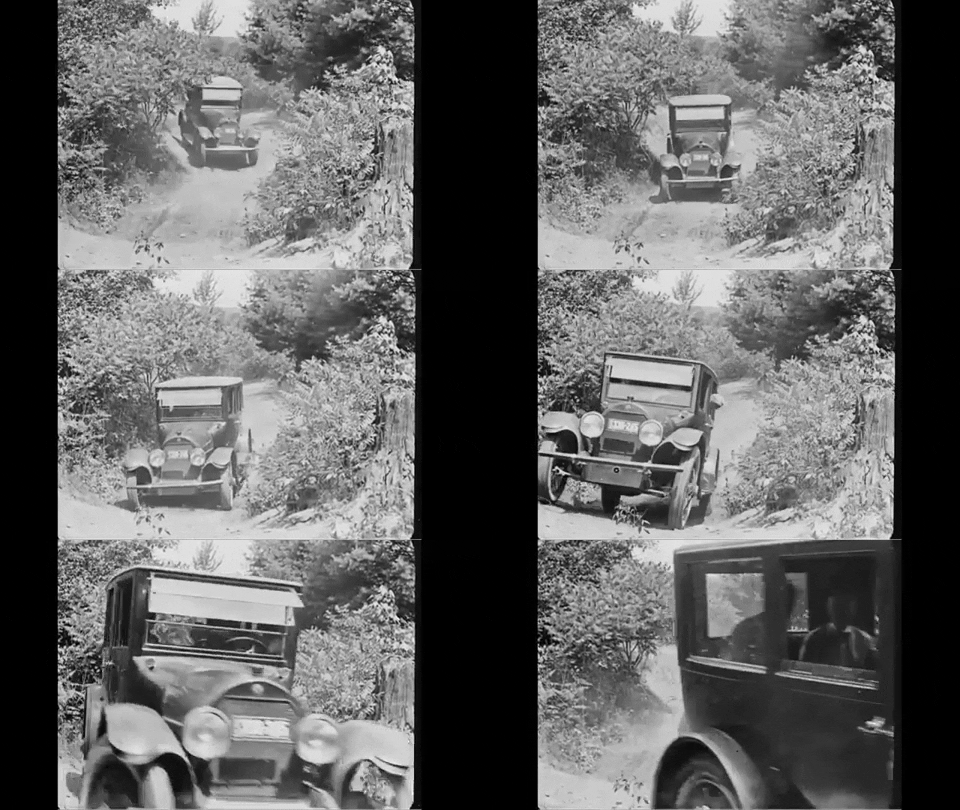
Maybe you need a bulldozer to clear the path
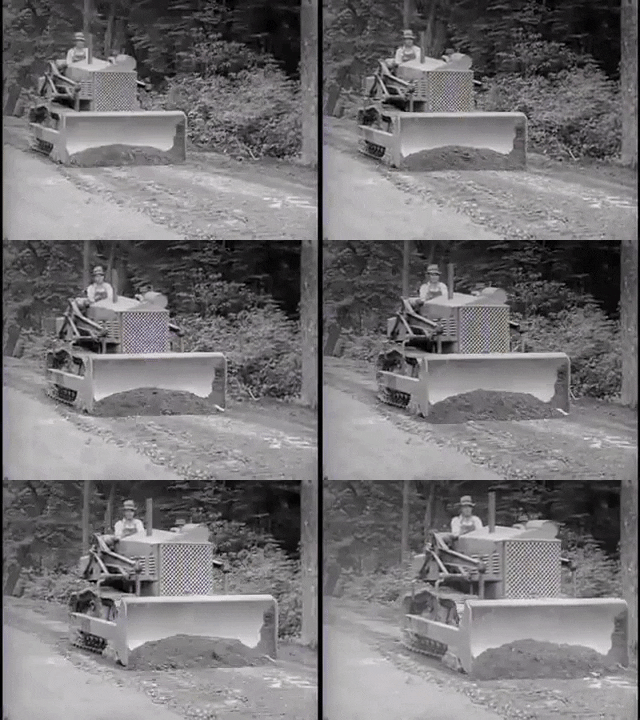
so you can pour some brand new pavement.
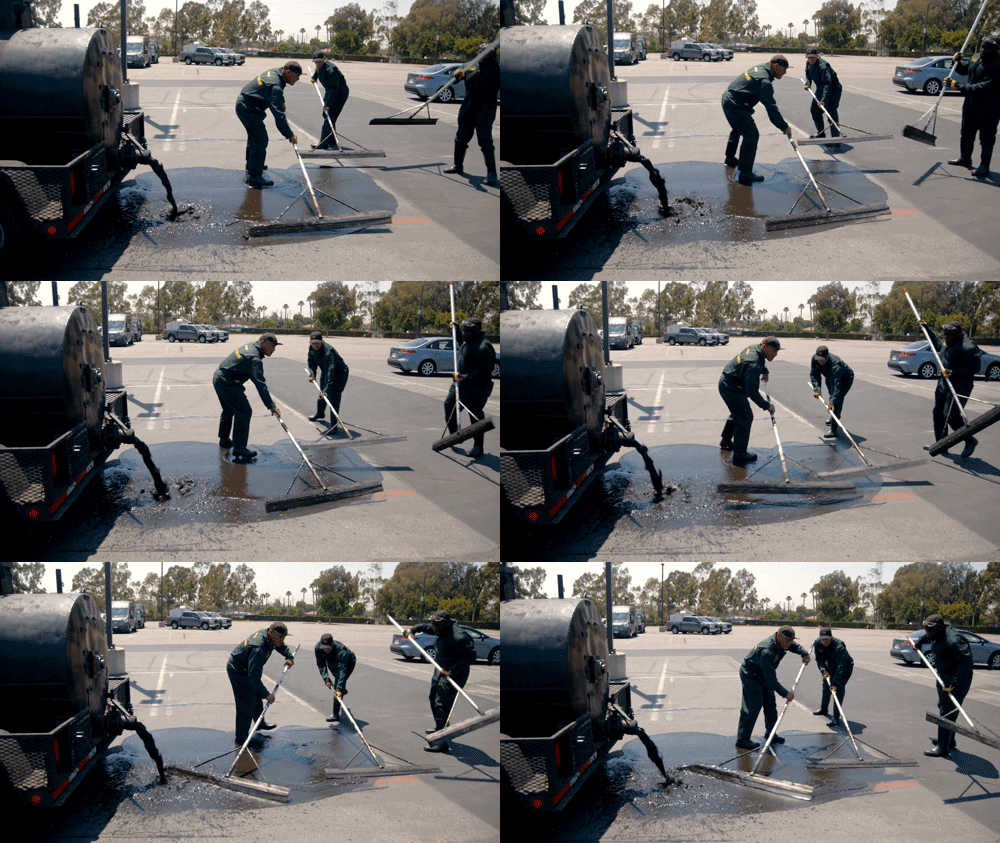
That doesn’t mean you’re losing everything. The general shape and destination can stay the same. But don’t be afraid to get aggressive with your revisions, even if it seems like it would be a lot of work. You can always save different versions, so why not try some large-scale changes?
Have you tried changing your story from past to present tense? Have you tried writing it in first or second person instead of third? Or if you’re writing in metrical verse, what if you change the rhythm? For example, if you’ve written stanzas in anapestic meter (babaDUM babaDUM) with 4/3 beats and an ABCB rhyme scheme, the text can sometimes feel a bit long and winding. You may find that you’re using a lot of filler words or beating around the bush to say what you need to say. What if you keep the same number of beats and the same rhyme scheme, but change it to iambic meter (baDUM baDUM)? That can quicken the pace and sometimes help you cut out unwanted filler words. Or what if you change it to iambic dimeter (2/2)? That can sound quite a bit snappier and often helps to keep the overall word count shorter. On the other hand, if you want to give yourself more space to explain things or if you’re writing a relaxing bedtime book, then the slower, lilting rhythm of anapestic meter might be the way to go.
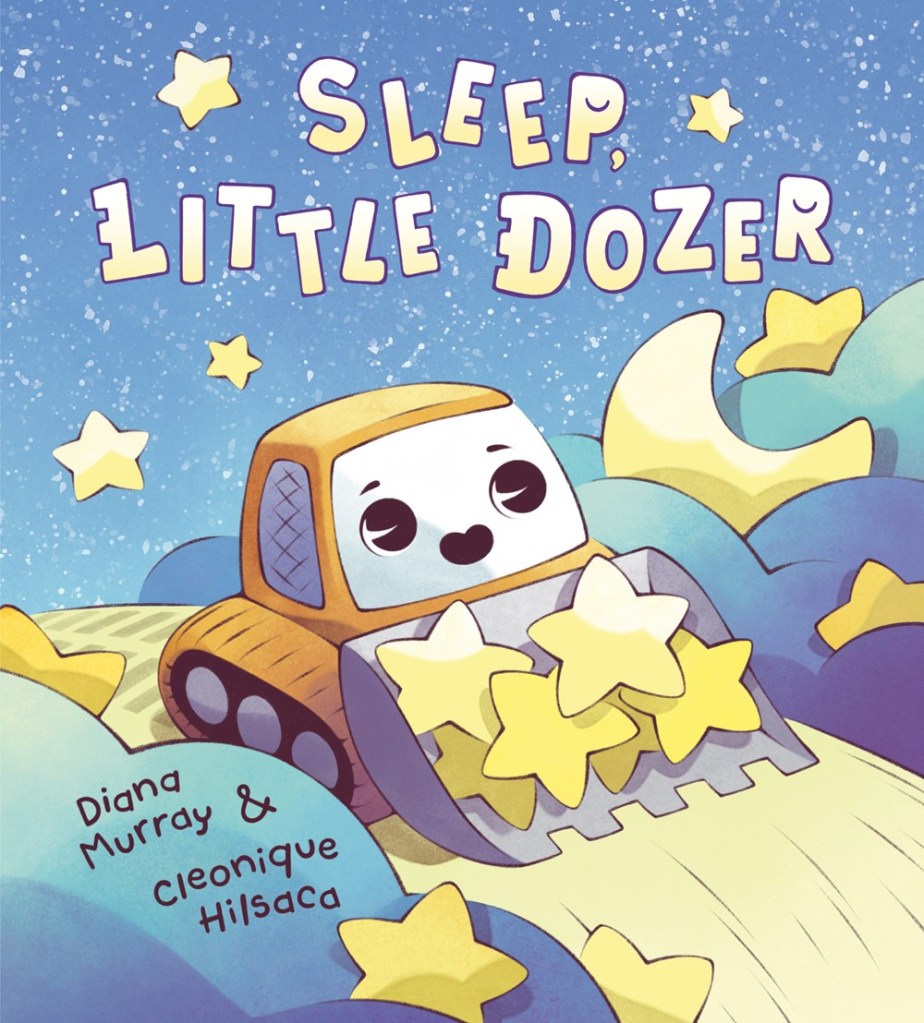
Is it a pain in the butt to completely change the meter around? You bet! But that doesn’t mean it can’t be done. Why not try just a few lines and see how you feel about it? Take a look at how different these examples sound (roughly edited from the original text of Sleep, Little Dozer, just for demonstration purposes):
- Anapestic, 4/3, ABCB
When day speeds away and the sun’s going down,
it’s time to get ready to sleep.
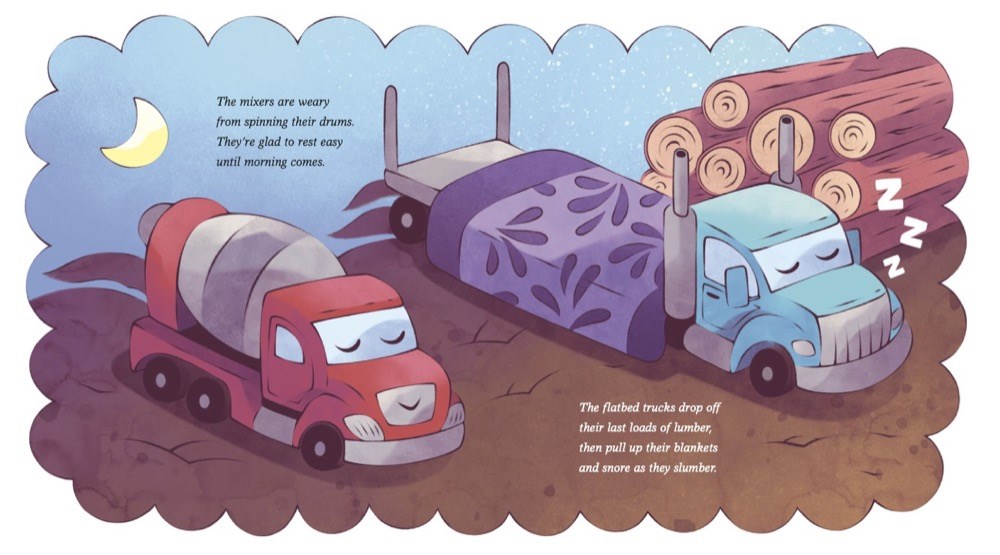
The mixers are weary from spinning their drums.
The dump trucks unload one last heap.
- Iambic, 4/3, ABCB
When day begins to speed away,
it’s time for trucks to sleep.
The dump trucks carry one last load
and drop it in a heap.
- Iambic, 2/2, ABCB
When sunlight fades
and nighttime comes,
the mixers rest
their weary drums.
- Iambic, 2/2, AABB
The setting sun
means work is done.
It’s time to sleep!
Drop one last heap.
I hope this gives you some ideas about how you can play around with the meter to speed or slow the rhythm, to cut extra words, or give yourself more space for details. The rough examples above are variations on the truck lullaby in my book. The actual opening stanza of the song is:
When day speeds away
and the sun’s going down,
it’s bedtime, it’s bedtime
in Rumbletruck town.

So the meter is anapestic dimeter (2/2) with an ABCB rhyme scheme. And I decided I needed a general introduction to the song before transitioning to other specific trucks in the next stanzas.
There are so many different options! Don’t be afraid to try a major overhaul. Happy revising!
Wow! I hope this awesome example helps those you working in rhyme or thinking about working in rhyme! Please join our discussion on our Twitter page and make sure to thank Diana by reviewing, purchasing, and/or asking your library to carry her amazing books which you can find here: https://www.dianamurray.com/.
Thank you again for joining us and check out all the fun here on our Kidlit Zombie Week website: https://sites.google.com/view/kidlit-zombie-week and join today’s discussion on Twitter here: https://x.com/6and_MANuscript/status/1803029182974181860.
Sincerely,
Kaitlyn Sanchez
 Kaitlyn Leann Sanchez
Thank you for this post, as a rhymer it’s very helpful, and I love the example! It is often daunting when you have a rhyming manuscript and think you should try revising it, as getting both rhyme and meter to work well is challenging, and once you get something down, thinking about a revision might not make you jump for joy, lol. Like your suggestion that you can keep the general shape and destination! Thank you for all the ideas!
LikeLiked by 1 person
Great post. The examples of opening lines in different meter was especially helpful. Thanks for sharing.
LikeLiked by 1 person
I am so grateful for computers, which make it (relatively) easy to save and track different drafts of a manuscript. I’m old enough to remember when every change meant putting a fresh sheet of paper in the typewriter and starting over. Looking through all those versions to find a particular line or paragraph was incredibly inefficient.
LikeLiked by 1 person
Amazing!
LikeLiked by 1 person
Playing “catch-up” today! I love seeing in print how changing the meter can vary the mood and pace of a rhyming story!
LikeLike
I just worked on a revision of a story and took it from first person to a narrative story. It’s definitely daunting but worth the effort!
LikeLike
Amazing example and as a non-trained rhymer, they’re extremely helpful.
LikeLike
Great explanation on ways to change the rhythm!
LikeLiked by 1 person